Printable and downloadable learning materials are a parenting superpower: small, cheap, and endlessly adaptable. With a little paper, crayons and imagination, kids can craft, count, and explore their way through afternoons that feel both playful and purposeful. Here are easy, screen‑free ideas to spark creativity and build skills for various ages.
10 Fun and Easy DIY Crafts for Kids at Home
1. Paper plate animals — paint, cut, glue and add yarn whiskers.
2. Collage name art — letters cut from magazines glued on construction paper.
3. Sock puppets — decorate with buttons, felt and ribbon.
4. Origami boats and paper airplanes — test them in the bathtub or backyard.
5. Sticker mosaics — preprinted grids become colorful pixel art.
6. Nature crowns — sticky paper bands decorated with leaves and petals.
7. Popsicle stick picture frames — paint and embellish with sequins.
8. Toilet roll binoculars — glue tubes together, decorate, and explore.
9. DIY puzzles — draw a picture on cardstock, cut into chunky pieces.
10. Sensory bottles — fill bottles with glitter, water and small toys for calming focus.
How Coloring Can Boost Your Child’s Creativity and Focus
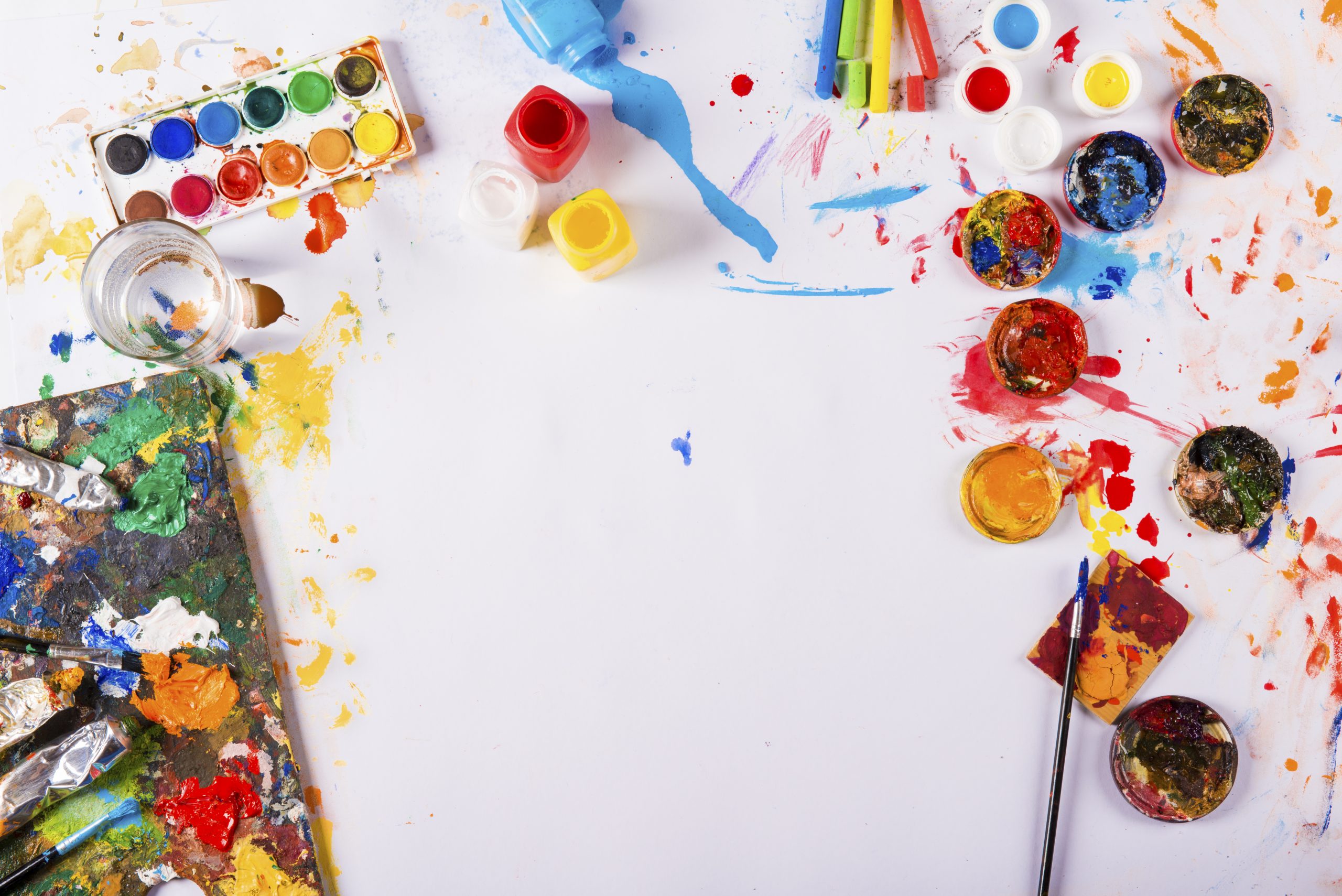
Coloring is deceptively powerful. It strengthens fine motor skills as children grip crayons and stay inside lines. Choosing colors and combining shades cultivates creative decision‑making. The repetitive motion quiets the mind, increasing attention span and reducing stress. Offer themed printable coloring pages or open‑ended patterns—both practice control and invite imagination. For older kids, printable mandalas or zentangle prompts can deepen concentration and artistic exploration.
Fun Reading and Coloring Activities
Pair short printable stories with matching coloring pages to create interactive read‑aloud moments. After a quick story, ask kids to color a scene, then retell what happened using their artwork. Create “fill‑in” pages where children color characters, then write a sentence about them. For emergent readers, combine sight‑word coloring sheets—each color corresponds to a word—to reinforce vocabulary while they create.
The Best Printable Art Worksheets for Preschoolers
Preschool printables should be tactile, simple and bright. Look for:
Tracing shapes and simple pictures to build pencil control.
Dot‑to‑dot with low numbers to practice counting and hand‑eye coordination.
Cut‑and‑paste collages that teach scissor skills and composition.
Matching colors and patterns to support visual discrimination.
These worksheets are quick to print, adaptable to different skill levels, and perfect for short bursts of learning.
How to Make Storytelling Come Alive with Drawing Activities
Turn storytelling into a drawing game: give kids a printable story starter—one line and an illustrated prompt—and ask them to draw the next scene. Use “comic strip” templates so children can sketch sequential panels, developing narrative structure and sequencing skills. Encourage detail: what’s the weather? Where is the character going? These prompts help shy writers express ideas visually before translating them into words.
Fun Ways to Teach Numbers and Letters Through Games
Create printable board games where players count spaces to reach a treasure, or use letter scavenger hunts with printable checklists to find items around the house. Number bingo, letter matching cards, and printable dice games combine movement with learning. Turn counting into a cooking activity: follow a recipe printable that lists quantities to measure and mix.
Printable materials are versatile: mix, match and customize to suit your child’s age and interests. With crafts, coloring and playful worksheets, screen‑free moments become opportunities to grow skills, spark curiosity, and make memories together.







0 Comments