Printable and downloadable learning packs are a secret weapon for parents and teachers who crave calm, creative, and device-free time. Fill a basket with worksheets, coloring pages, and cut-and-paste templates and suddenly an afternoon becomes an exploration lab. Here are simple ways to combine education, creativity, and plain old hands-on fun for toddlers through tweens.
10 Fun and Easy DIY Crafts for Kids at Home:
1. Paper plate animals — paint, glue, and add wiggly eyes.
2. Leaf rubbings — explore texture and seasons with crayons.
3. Toilet-roll binoculars — decorate tubes and go on a backyard safari.
4. Collage storyboards — cut magazines to build characters and settings.
5. Salt dough name tags — mold letters and bake for keepsakes.
6. Popsicle-stick puzzles — paint a picture and slice into pieces.
7. Sock puppets — mismatched socks, buttons, and imagination.
8. Coffee-filter butterflies — drop food coloring and watch blooms.
9. Recycling robots — boxes, bottle caps, and creativity.
10. Homemade stickers — printable sticker paper and custom drawings.
How Coloring Can Boost Your Child’s Creativity and Focus:
Coloring is deceptively powerful. Choosing hues and staying inside—or deliberately outside—the lines trains fine motor skills, hand-eye coordination, and decision-making. The rhythmic motion of crayon strokes lowers stress and lengthens attention spans, especially when kids are given open-ended prompts instead of rigid templates. Encourage blending, shading, and inventing new colors to spark imagination.
Fun Reading and Coloring Activities:
Combine literacy with art by pairing short stories or picture books with themed coloring pages. After reading, ask children to color the scene they pictured, or design alternate endings illustrated on split worksheets. Match vocabulary cards to colored scenes: color the “ginger cat” orange, the “stormy sky” grey. Audiobooks plus coloring sheets make quiet listening sessions feel interactive.
The Best Printable Art Worksheets for Preschoolers:
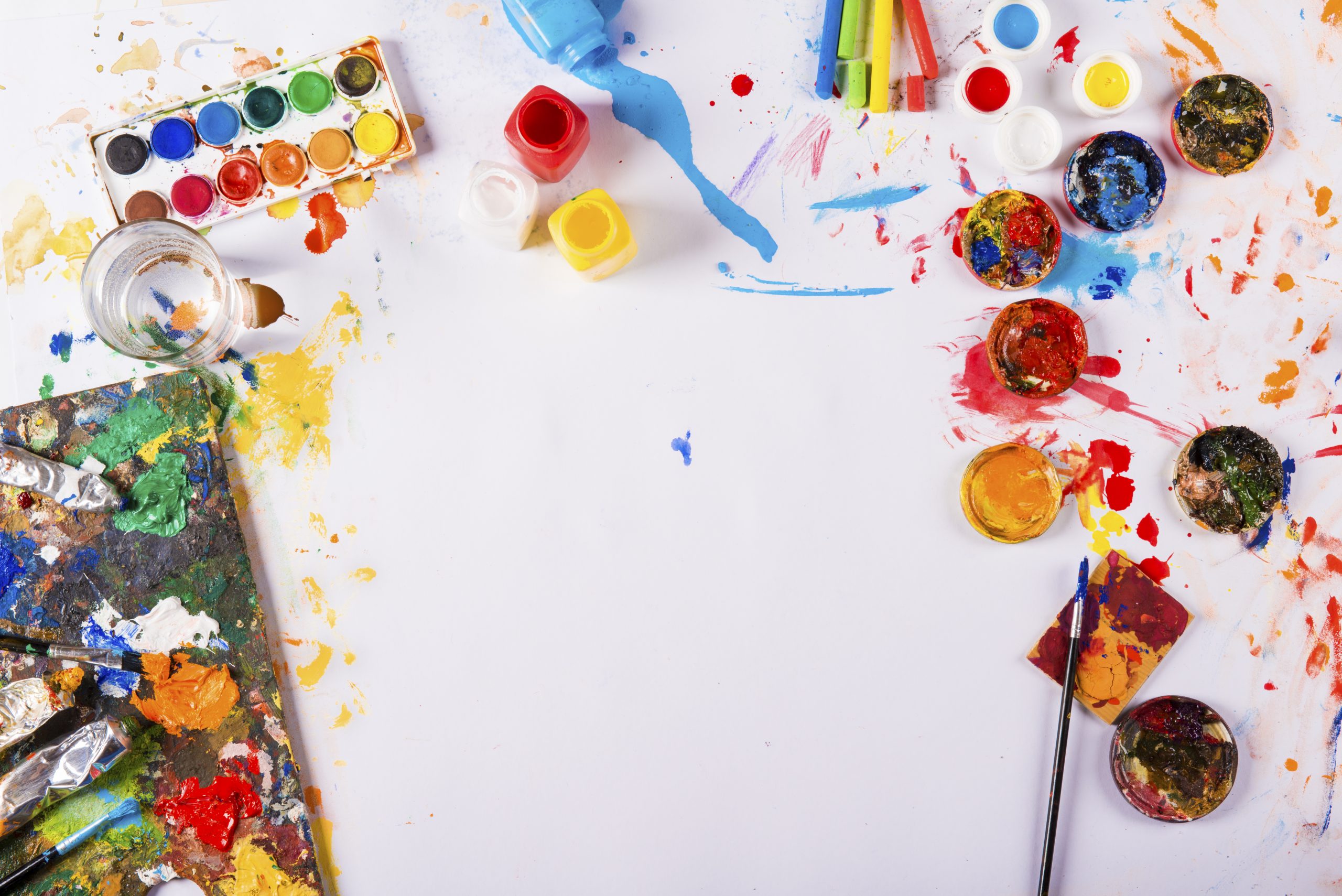
Choose bold lines, big shapes, and simple prompts for little hands. Downloadable dot-to-dot sheets, large stencil alphabets, trace-and-color animals, and shape-match pages are winners. Look for worksheets that encourage cutting and gluing for scissor practice, and those with prompts like “Draw a hat on the bear” to invite creative choices.
How to Make Storytelling Come Alive with Drawing Activities:
Turn tales into visual maps. After a story, give children a “storyboard sheet”: boxes for beginning, middle, and end. Encourage them to sketch characters, settings, or emotions. For older kids, prompt alternate perspectives—draw the scene from a side character’s point of view. These drawing exercises deepen comprehension and make narratives memorable.

Fun Ways to Teach Numbers and Letters Through Games:
Gamify learning with printable bingo, scavenger hunts, and roll-and-cover mats. Create number mazes, alphabet match-up cards, and hopscotch with sight words. Use stickers as rewards or counters for math problems. Simple competitions—who can assemble the alphabet puzzle fastest—turn repetition into play.
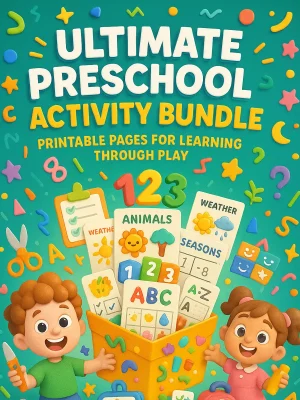
Screen-free materials are endlessly adaptable. Print, cut, color, and craft your way through learning. Little hands, big ideas—no screen required. Rotate new printable packs weekly to keep curiosity fresh, involve kids in choosing themes, and display their best pieces to celebrate effort and build confidence every single day.









0 Comments