Printable and downloadable learning and activity materials are a secret weapon for parents and teachers who want to blend education, creativity, and plenty of screen‑free fun. With a stack of simple printables and a few household supplies, you can rotate engaging lessons that suit toddlers discovering shapes and tweens refining storytelling skills. Below are ideas and ready-to-use formats that spark imagination while strengthening real-world skills.
10 Fun and Easy DIY Crafts for Kids at Home
1. Paper plate animals — glue, paint, and simple shapes become masks or puppets.
2. Collage postcards — cut magazines and patterned paper to make mailable art.
3. Popsicle-stick picture frames — decorate with buttons, markers, and glitter.
4. Salt dough name plaques — press letters in dough, bake, and paint.
5. Egg carton caterpillars — paint segments, add pipe cleaner antennas.
6. Recycled robot builds — boxes, bottle caps, and tape for engineering play.
7. Leaf rubbings — place leaves under paper and color with crayons for nature prints.
8. Paper mosaics — tear colored paper into tiles and glue to make pictures.
9. Story stones — paint simple images on pebbles to prompt storytelling.
10. DIY kites — lightweight paper, sticks, string, and crayons for backyard flights.
How Coloring Can Boost Your Child’s Creativity and Focus
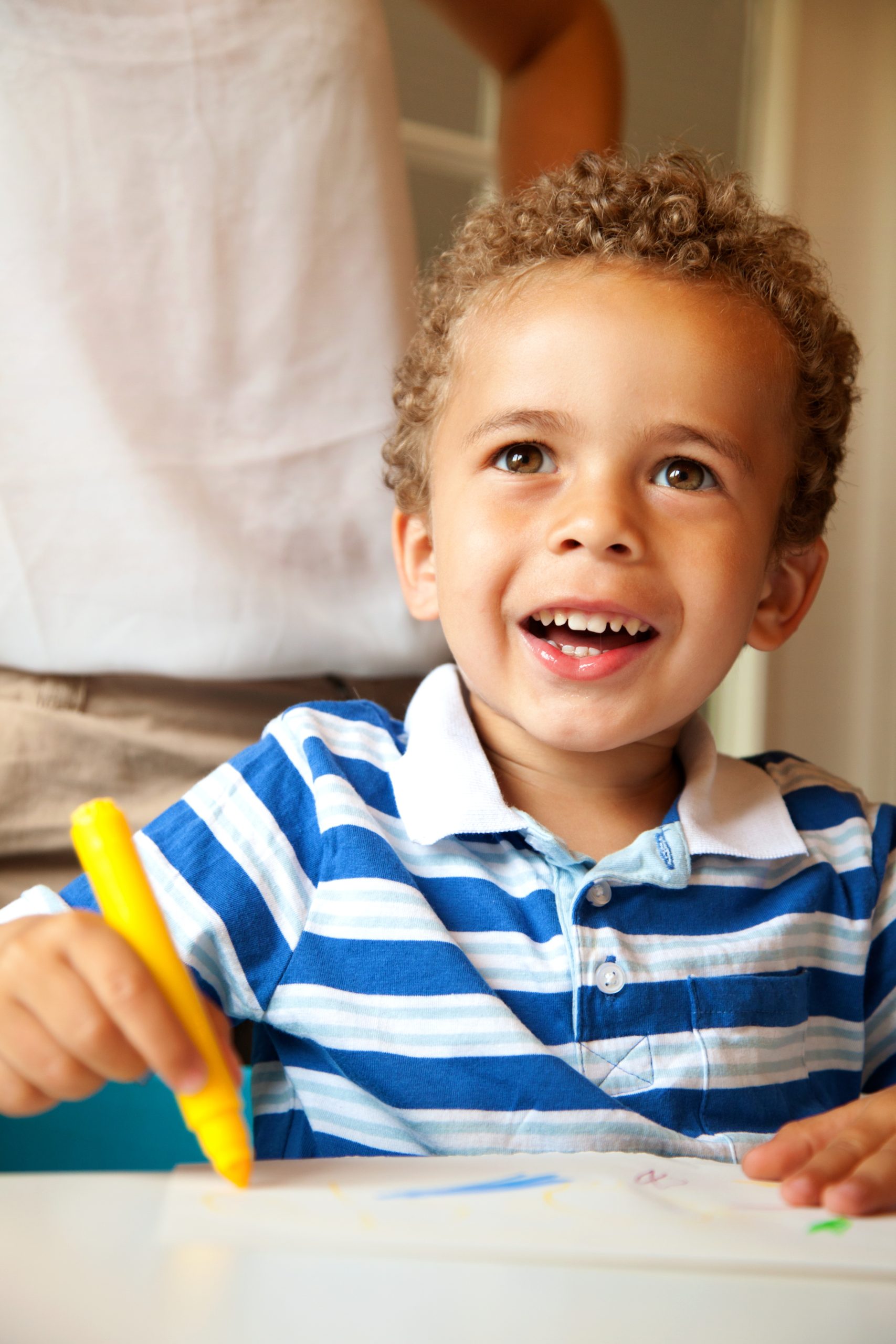
Coloring is more than a quiet-time activity. It strengthens fine motor skills and hand-eye coordination, builds color recognition, and gives kids a safe space to make choices. For older kids, more complex mandalas and pattern sheets encourage sustained attention and a calming rhythm. Swap single crayons for a palette and ask open-ended questions—“What would this blue sound like?”—to nudge creative thinking and verbal expression.
Fun Reading and Coloring Activities
Combine literacy and art with dual-purpose printables. Try “color-by-clue” sheets where children color according to vocabulary words from a short story. Create a printable mini-book with illustrations for kids to color as they read each page aloud. Reading corners can include character masks made from coloring pages so kids act out scenes after finishing a story. These activities reinforce comprehension, sequencing, and expressive language.
The Best Printable Art Worksheets for Preschoolers
Preschool art worksheets should focus on big wins: tracing shapes, matching color swatches, simple cut-and-paste scenes, dot-to-dot animals, and sticker-friendly pages. These formats boost scissor skills, bilateral coordination, and pattern recognition. Look for high-contrast designs and large elements so little fingers can succeed—and celebrate each completed page with a mini “gallery” on the fridge.
How to Make Storytelling Come Alive with Drawing Activities
Turn drawing into a storytelling engine. Use story prompts with printable frames: “Draw the hero,” “Add the surprise,” “Finish this ending.” Make comic-strip templates that guide kids to plan a beginning, middle, and end. Create story dice printables—cut, fold, and roll to combine characters, settings, and problems. Encourage kids to narrate as they sketch; audio-record their tales for a keepsake.
Fun Ways to Teach Numbers and Letters Through Games

Printable games make abstract skills tactile. Alphabet scavenger hunts, number bingo cards, match-and-count flashcards, hopscotch mats with letters or sums, and spinner sheets that ask children to draw X items of a given color all turn practice into play. Tailor difficulty for ages: big, bold letters for toddlers; decoding riddles or timed challenges for tweens.
Screen-free printables are versatile, portable, and budget-friendly. With a little creativity—and a few downloaded pages—you can make learning feel like play for every age.





0 Comments